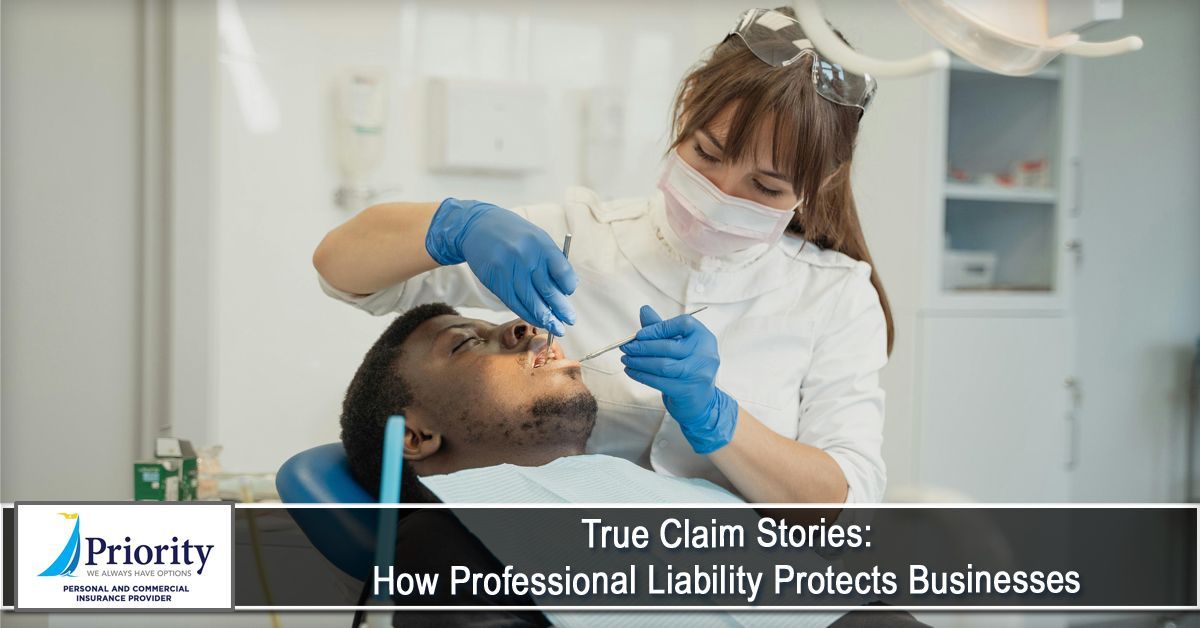

True Claim Stories: How Professional Liability Protects Businesses
December 21, 2025

Mistakes happen—even to the most experienced professionals. A small oversight, miscommunication, or incorrect recommendation can trigger major financial consequences for a business. In a world where client expectations are high and lawsuits are increasingly common, Professional Liability Insurance (also known as Errors & Omissions or E&O insurance) is essential protection for any business that provides advice or services.


The best way to understand its importance? Real scenarios. These true-to-life claim stories show how Professional Liability coverage helps businesses recover, defend themselves, and maintain client trust when things go wrong.


What Is Professional Liability Insurance?

Professional Liability Insurance protects businesses from claims related to:

  • Mistakes or omissions
  • Negligence
  • Missed deadlines
  • Inaccurate advice
  • Misrepresentation
  • Failure to deliver promised services


Unlike general liability insurance—which covers physical injuries or property damage—professional liability covers the intellectual side of your work: your guidance, expertise, and decision-making.


Why Professional Liability Matters Across Industries

Professionals in many fields rely on this coverage, including:

  • Consultants
  • Accountants
  • Architects and engineers
  • Real estate agents
  • IT specialists
  • Marketing agencies
  • Healthcare providers
  • Financial advisors


If your work involves expertise, deliverables, recommendations, or critical decisions, you’re vulnerable to costly claims—even if you did nothing wrong.


Real Claim Story #1: The Missed Deadline That Cost Thousands

The Situation:

A small marketing firm promised a client they would launch an online ad campaign before a seasonal buying window. Due to miscommunication within the firm, the deadline was missed by two weeks.


The Result:

The client claimed the delay caused a significant drop in expected revenue and demanded compensation.


How Professional Liability Helped

  • Covered legal defense fees
  • Paid the settlement for lost revenue
  • Prevented the business from paying out of pocket


Without E&O coverage, this mistake could have created a financial crisis for the firm.


Real Claim Story #2: An Architect’s Miscalculation Leads to Rebuild Costs

The Situation:

An architect made a minor miscalculation in load-bearing specifications for a new building project. Though the structure was still safe, the plans failed to meet local code requirements.


The Result:

Contractors had to halt construction and revise the plans—delaying the project and costing the developer more than $100,000.


How Professional Liability Helped:

  • Paid for project redesign
  • Covered the developer’s additional expenses
  • Handled legal fees from resulting disputes


A single design error can have ripple effects—professional liability prevents those costs from falling entirely on the architect.


Real Claim Story #3: IT Consultant Exposes Client Data by Accident

The Situation:

An IT consultant installed new software for a client. While configuring the system, they accidentally disabled a key security setting. Days later, the client suffered a data breach.


The Result:

The client sued for damages related to the breach, remediation costs, and business interruption.


How Professional Liability Helped:

  • Covered cyber-related professional errors
  • Paid for investigation and system repair
  • Funded legal defense and settlement


Even skilled IT professionals can unintentionally introduce vulnerabilities—insurance ensures one mistake doesn’t destroy the business.


Real Claim Story #4: Real Estate Agent Misrepresents Property Information

The Situation:

A real estate agent relayed details about a property that they believed were accurate, including zoning allowances. Later, the buyer discovered the property restrictions were much stricter than stated.


The Result:

The buyer sued for financial loss because the property couldn’t be used as intended.


How Professional Liability Helped:

  • Paid for the agent’s legal defense
  • Covered settlement costs
  • Protected the brokerage from reputational damage


Even honest mistakes can lead to legal trouble—E&O coverage provides crucial protection.


Businesses in Greenville, SC—from consultants and contractors to tech specialists and financial advisors—often operate in high-demand, client-focused industries where accuracy and trust are key. Having the proper Professional Liability coverage ensures Greenville businesses can defend themselves and continue serving clients even when unexpected disputes arise.


What Professional Liability Typically Covers

  • Legal defense costs
    Even if the claim is unfounded, defense alone can cost thousands.

  • Settlements and judgments
    If the business is found liable, the policy covers these costs up to the policy limit.

  • Claims of negligence
    Protects against mistakes, oversights, or failure to meet standards

  • Miscommunication or documentation errors
    Even well-intended misunderstandings can lead to lawsuits.

  • Work deliverables that fall short
    If service outcomes don’t meet expectations or contractual terms.


What Professional Liability Does Not Cover

Professional Liability policies have exclusions, including:

  • Intentional wrongdoing or fraud
  • Bodily injury or property damage (covered by general liability)
  • Employment-related disputes (requires EPLI)
  • Cyber attacks not caused by professional services (requires standalone cyber insurance)


Always review coverage details to ensure your policy meets your industry’s needs.


Signs Your Business Needs Professional Liability Protection

You should strongly consider coverage if:

  • You offer professional advice
  • You produce work, designs, or deliverables
  • Clients rely on your expertise or guidance
  • Mistakes could lead to financial loss
  • Your industry includes contractual liability requirements


Even one unhappy client can lead to a costly claim—insurance helps prevent that from becoming a crisis.


Conclusion

Professional Liability Insurance is more than an optional upgrade—it’s a crucial safeguard for businesses that provide specialized services or expertise. As these true claim stories show, even small errors or misunderstandings can lead to expensive disputes.

Whether you're consulting, designing, advising, or managing projects in Greenville, SC, having the right Professional Liability coverage ensures your business is protected when the unexpected occurs. With this protection in place, you can confidently focus on delivering exceptional work—knowing your business has a strong safety net.


At Priority Insurance LLC, we put our clients first by offering them policies that they can afford. Having insurance is a necessity nowadays, and we're here to help you out. Learn more about our products and services by calling our agency at 
(864) 297-9744. You can also request a free quote by CLICKING HERE.

Disclaimer: The information presented in this blog is intended for informational purposes only and should not be considered as professional advice. It is crucial to consult with a qualified insurance agent or professional for personalized advice tailored to your specific circumstances. They can provide expert guidance and help you make informed decisions regarding your insurance needs.​


December 21, 2025
Owning a motorcycle is more than a means of transportation—it’s a lifestyle, a thrill, and for many riders, a symbol of freedom. But as enjoyable as riding is, proper insurance protection is essential. Fortunately, motorcycle owners can save significantly by bundling their coverage with other insurance policies. Multi-policy discounts don’t just lower costs—they simplify your insurance experience and strengthen your overall protection. Whether you ride daily or take weekend cruises through scenic routes, understanding the best bundling options can help you get more value out of your coverage. Why Bundling Matters for Motorcycle Owners Insurance companies reward customers who hold multiple policies with them by offering bundled discounts—sometimes called multi-policy or multi-line discounts. These can dramatically reduce your premiums while consolidating your insurance needs under one provider. Benefits of bundling include: Lower overall insurance costs Fewer bills and renewal dates to manage Better coordination for claims Access to customer loyalty benefits More efficient customer support Potential for broader coverage options For motorcycle owners looking to maximize savings without sacrificing quality, bundling is one of the smartest financial moves. Popular Insurance Policies to Bundle With Motorcycle Coverage Not every rider knows how many policies can be paired with motorcycle insurance. Here are some of the most common—and most rewarding—bundles. 1. Motorcycle + Auto Insurance This is the most popular bundle, and for good reason. Why it works: Most insurers offer generous discounts when auto and motorcycle policies are combined. Both forms of coverage include liability, collision, and comprehensive options. Managing your vehicles under one provider keeps everything streamlined. Ideal for: Riders who also use a car for daily commuting Households with multiple drivers and motorcycles 2. Motorcycle + Homeowners or Renters Insurance Bundling your motorcycle policy with your home insurance can lead to substantial savings. Benefits include: Lower premiu ms for both policies Simplified claims if both home and motorcycle are affected by the same event (e.g., storm damage) Better customization for high-value possessions, including motorcycle gear Ideal for: Motorcycle owners with a home, apartment, or condo Riders who store bikes or gear at home 3. Motorcycle + Umbrella Liability Policy If you ride frequently, especially on busy highways, umbrella insurance adds extra liability protection. Bundling these policies gives you a financial safety net beyond standard coverage limits. Why riders choose this: Prote cts assets in the event of major accidents Offers coverage starting at $1 million Often requires bund led policies to qualify Ideal for: Riders w ith significant assets Long-distance or group riders Motorcyclists who wan t maximum liability protection 4. Motorcycle + Life Insurance Many insurers offer multi-policy discounts that include life insurance. While this bundle doesn’t involve shared coverages, the discount can still be substantial. Ideal for: Riders with f amilies or dependents Motorcycle enthus iasts seeking long-term financial planning benefits 5. Motorcycle + Boat, RV, or ATV Insurance If you’re the adventurous type, bundling all recreational vehicles under the same insurer can deliver big savings. Benefits include: Consistent c overage across all vehicles Lower combined premiums Flexible customizatio n for all your toys What Kind of Savings Can You Expect? While every insurer is different, typical multi-policy discounts range from: • 5% to 25% off motorcycle insurance • Additional discounts on bundled policies Your exact savings depend on factors like: Driving and riding history Number of bundled policies Vehicle types Location Coverage options Motorcycle owners in Greenville, SC can often benefit from bundling due to the region’s mix of urban and scenic riding conditions. With busy roadways, seasonal weather shifts, and high-value homes in the Greenville area, bundling motorcycle insurance with home, auto, or umbrella coverage helps riders stay protected while keeping costs manageable. Additional Tips to Maximize Your Motorcycle Coverage Savings Maintain a clean driving record Safer riders enjoy better rates. Take a motorcycle safety course Many insurers offer discounts for certified training. Protect your bike with anti-theft devices Security features can lower comprehensive premiums. Review your coverage yearly Needs change—your policy should too. Ask your agent about every available discount Some discounts aren’t advertised but can still apply. Common Mistakes to Avoid When Bundling Policies Overlooking coverage details Cheaper doesn’t always mean better—ensure bundled policies still meet your needs. Assuming all insurers offer bundles Providers vary widely in their offerings. Not updating your insurer when you buy or sell vehicles Miscommunication can void discounts. Forgetting to increase liability limits when needed Motorcycles often benefit from higher coverage amounts. Conclusion Bundling your motorcycle insurance with other policies is one of the most effective ways to save money while improving your overall protection. Whether you pair your coverage with auto, home, umbrella, or recreational vehicle insurance, multi-policy discounts offer clear financial and practical benefits. If you’re a rider in Greenville, SC, securing the best bundle can enhance your coverage, reduce premiums, and give you peace of mind every time you hit the road. With smart planning, you can ride with confidence—knowing your coverage is as reliable as your motorcycle. At Priority Insurance LLC, we put our clients first by offering them policies that they can afford. Having insurance is a necessity nowadays, and we're here to help you out. Learn more about our products and services by calling our agency at (864) 297-9744 . You can also request a free quote by CLICKING HERE . Disclaimer: The information presented in this blog is intended for informational purposes only and should not be considered as professional advice. It is crucial to consult with a qualified insurance agent or professional for personalized advice tailored to your specific circumstances. They can provide expert guidance and help you make informed decisions regarding your insurance needs.​
December 16, 2025
A backyard filled with fun—whether it’s a sparkling pool, a new playground set, or a relaxing outdoor oasis—can transform your home into a family- friendly retreat. But while these upgrades may boost enjoyment and property value, they can also affect something homeowners often overlook: your home insurance premiums. Pools, trampolines, and playgrounds offer opportunities for recreation, but they also bring increased liability and insurance risks. Understanding how these features impact your policy helps you stay prepared, compliant, and fully protected. Why Backyard Features Raise Insurance Concerns Insurance providers look at risk—anything that increases the likelihood of injuries, accidents, or property damage may raise your premium. Common backyard additions that increase risk include: Swim ming pools (above-ground, in-ground, and semi-in-ground) Hot tubs Trampolines Swing sets and playgrounds Treehouses Sports courts (basketball, volleyba ll, etc.) These features can lead to accidents, even when you follow every safety rule. Insurers adjust premiums to reflect the added liability. Swimming Pools: The Biggest Premium Booster Among backyard amenities, pools have the most significant impact on insurance. They are considered an “attractive nuisance,” meaning they draw attention—especially from children—and increase the risk of injury. How pools affect your insurance: High er liability coverage required: Many insurers recommend increasing liability limits to at least $300,000–$500,000. Safety requirements: You may need fencing, locked gates, pool covers, or alarms to maintain coverage. Risk of damage: Storms , debris, and equipment failure may also necessitate additional protection. Types of pool coverage that may be needed: Liability insurance Damage to pool structure Replacement cost covera ge for pool equipment Playgrounds & Trampolines: Small Additions, Big Liability Backyard playgrounds and trampolines are fun, but they also contribute to increased insurance risk—especially when friends, neighbors, or extended family use them. Why these features raise premiums: High injury rates (sprains, fractures, falls) Possible warranty or safety compliance issues Increased likelihood of claims involving visiting children Some insurance providers may: Require safety nets or anchoring systems Limit trampoline coverage unless enclosed Deny coverage if certain equipment is deemed unsafe Always consult your insurer before installation. Does Home Insurance Cover Injuries in Your Backyard? Most standard home insurance policies include personal liability coverage, which protects you if someone is injured on your property and you are found responsible. Liability coverage typically includes: Medical bills Legal costs Settlement fees Compensation for the injured party But liability limits vary. With pools and playgrounds, it's wise to consider increasing your coverage or adding an umbrella policy for stronger protection. Property Coverage for Pools and Outdoor Structures Home insurance may also help pay for damage to certain backyard features. Coverage often includes: Pool structure (if permanently installed) Attached decks or patios Outdoor kitchens Fencing However, trampolines and some playground equipment may be excluded from property coverage unless specifically added to your policy. Homeowners in Greenville, SC often enjoy outdoor living year-round thanks to mild weather. This makes pools, playgrounds, and outdoor entertainment areas more common—but it also increases the importance of ensuring your home insurance reflects these features. Whether you're adding a pool or updating a backyard play area, notifying your insurer ensures you stay fully protected and compliant with safety requirements in South Carolina. How to Lower Your Premiums While Keeping Backyard Fun Even with backyard amenities, you can still manage your insurance costs by prioritizing safety and transparency. Install proper fencing A locked, self-closing gate is often required for pools. Add safety alarms Door alarms, surface sensors, and perimeter alarms help prevent unsupervised access. Maintain equipment Repair loose bolts, worn ropes, rusted chains, or unstable surfaces. Supervise all activities Accident prevention is the best insurance you can have. Increase liability coverage A higher limit offers better protection at a relatively low cost. Consider an umbrella policy Much more affordable than you might expect—and invaluable during a major claim. What Homeowners Should Tell Their Insurance Provider Before installing backyard features, discuss with your insurer: What new structures or equipment you plan to add Different features may have different coverage needs. Safety precautions you’ve implemented Helps reduce premium increases. Whether additional liability coverage is recommended Backyard risks often justify higher limits. Whether exclusions apply Some policies exclude trampolines or above-ground pools unless specifically endorsed. Conclusion Backyard pools, playgrounds, and recreational spaces can bring joy, create family memories, and enhance your home’s appeal—but they also come with insurance implications that homeowners shouldn’t ignore. By understanding the risks, increasing safety measures, and updating your policy, you can enjoy your outdoor space with confidence and peace of mind. Whether you’re upgrading for family fun or boosting resale value in Greenville, SC, proper home insurance ensures your backyard remains a place of enjoyment—not unexpected financial stress. At Priority Insurance LLC, we put our clients first by offering them policies that they can afford. Having insurance is a necessity nowadays, and we're here to help you out. Learn more about our products and services by calling our agency at (864) 297-9744 . You can also request a free quote by CLICKING HERE . Disclaimer: The information presented in this blog is intended for informational purposes only and should not be considered as professional advice. It is crucial to consult with a qualified insurance agent or professional for personalized advice tailored to your specific circumstances. They can provide expert guidance and help you make informed decisions regarding your insurance needs.​
December 16, 2025
Owning a collector car is more than a hobby—it’s a passion, an investment, an d often a treasured piece of automotive history. Whether you’ve restored a classic muscle car, preserved a vintage European model, or acquired a limited-production modern collectible, protecting your investment is essential. Collector cars require more than standard auto insurance. With unique value, usage patterns, and preservation needs, they demand specialized coverage that reflects their true worth. Understanding how collector car insurance works helps ensure your prized vehicle is properly protected now and for years to come. What Makes Collector Car Insurance Different? Collector car insurance is designed specifically for vehicles that are rare, limited-use, and often appreciating in value. Unlike a standard auto policy—which factors in daily driving, depreciation, and wear—collector car insurance considers the unique way enthusiasts store, maintain, and enjoy their vehicles. Key differences include: Agre ed value vs. actual cash value Restrictions on mileage Proof of secure storage Customized repair options Coverage for restoration and spare parts This specialized approach ensures your collectible is insured for what it’s truly worth—not just a depreciated market price. What Qualifies as a Collector Car? While criteria vary between insurers, a vehicle may be considered a collector car if it meets one or more of the following: Classic or antique Typically 20–25+ years old. Limited production or high-value Rare models or special editions. Exotic performance vehicles Premium or supercars with lasting resale value. Modern collectibles Newer models projected to appreciate over time. Restored or preserved cars Vehicles maintained to original or enhanced condition. General requirements often include: Limite d annual mileage Secure, indoor storage A clean driving record The car not being used as a daily driver Agreed Value vs. Actual Cash Value: The Most Important Distinction One of the biggest advantages of collector car insurance is agreed value coverage. Agreed Value Coverage You a nd the insurer determine the car’s value upfront. If the car is totaled, you receive the full agreed amount. No depreciatio n is applied. Actual Cash Value (Standard Auto Insurance) Pays only what t he car is worth at the time of loss. Depreciation significantly reduces payout. Often leaves collector car o wners underinsured. For collectible vehicles, agreed value is essential to protecting long-term investment. What Collector Car Insurance Typically Covers Collector car policies offer a wide range of protections tailored for enthusiast vehicles. 1. Comprehensive & Collision Coverage Covers damage from: Ac cidents Weather events Theft Vandalism Fire 2. Spare Parts Coverage Many collectors keep parts that are difficult or expensive to find. Policies often provide coverage for spares stored at home or in a workshop. 3. Restoration Coverage For cars currently being restored, this coverage protects: Parts and materials Tools In-progress imp rovements The value can be increased as restoration progresses. 4. Special Repair Options Collector car owners typically want repairs done by specialty shops. Policies may allow: Choice of mechanic OEM or original-spec parts Restoration-quality repair standards 5. Limited-Use Protection Since collector cars are often driven only to shows, parades, or weekend cruises, insurers consider the reduced risk and offer lower premiums. Factors That Affect Collector Car Insurance Rates Several elements impact the cost of coverage, including: Vehicle age, rarity, and condition Agreed value amount Storage security Mileage restrictions Driver history Modifications or customizations Cars in excellent condition or stored in climate-controlled garages often receive better rates. Car enthusiasts in Greenville, SC enjoy a thriving automotive culture with shows, weekend drives, and restoration communities. With changing weather, growing traffic, and increasing vehicle values in the Greenville area, having proper collector car insurance ensures your prized vehicle remains well protected—whether it’s stored, displayed, or driven on scenic Carolina roads. Tips for Protecting Your Collector Car Investment Store your car safely Preferably in a locked, indoor, temperature-controlled garage. Keep detailed maintenance records Documentation increases vehicle value and supports claims. Avoid daily driving Collector policies often require limited, hobby-only use. Update your policy annually Values can change rapidly in the collector market. Invest in security GPS trackers, alarms, and immobilizers deter theft. Common Mistakes to Avoid Relying on standard auto insurance It rarely reflects true vehicle value. Underestimating restoration costs Inflation and rarity of parts can increase expenses significantly. Not updating the agreed value Your car may appreciate over time. Using the vehicle beyond policy limits Daily driving may void coverage. Conclusion Collector cars are more than vehicles—they’re investments, passion projects, and cherished pieces of history. Protecting them with the right insurance ensures you can continue enjoying your automotive treasure with confidence and peace of mind. Whether you're restoring a classic, showcasing a vintage gem, or building a modern collection in Greenville, SC, specialized collector car insurance ensures your investment is safeguarded today and for the miles—or memories—to come. At Priority Insurance LLC, we put our clients first by offering them policies that they can afford. Having insurance is a necessity nowadays, and we're here to help you out. Learn more about our products and services by calling our agency at (864) 297-9744 . You can also request a free quote by CLICKING HERE . Disclaimer: The information presented in this blog is intended for informational purposes only and should not be considered as professional advice. It is crucial to consult with a qualified insurance agent or professional for personalized advice tailored to your specific circumstances. They can provide expert guidance and help you make informed decisions regarding your insurance needs.​
November 20, 2025
Auto insurance is more than just a requirement—it’s a safeguard for your vehicle and financial peace of mind. But while many drivers understand liability coverage, fewer realize how important comprehensive coverage can be. This type of insurance protects your vehicle from losses not caused by a collision, making it an essential part of a strong auto policy. From theft to weather damage, comprehensive coverage helps ensure you’re not left with major repair or replacement costs when unexpected events occur. What Is Comprehensive Coverage? Comprehensive coverage is an optional auto insurance protection that covers damage to your vehicle from events other than collisions. It focuses on losses that are usually sudden, accidental, and outside your control. Comprehensive coverage generally includes protection from: Theft Vandalism Fire damage Falling objects (like tree limbs) Natural disasters (hail, windstorms, flooding) Animal-related collisions (e.g., hitting a deer) Glass damage (windshield cracks , shattered windows) This coverage helps repair or replace your vehicle up to its current market value, minus your chosen deductible. Why Comprehensive Coverage Matters Even the safest drivers can’t control everything on the road—or off it. Without comprehensive coverage, you may be financially responsible for: Replacin g your vehicle if it’s stolen Paying for body or paint damage caused by vandalism Repairing flood, wind, or fire damage Fixing a shattered wi ndshield Because these damages can be costly, comprehensive coverage offers financial protection and peace of mind. When Is Comprehensive Coverage Especially Important? Consider adding or maintaining comprehensive coverage if: You pa rk outside overnight You live in an area prone to storms, flooding, or wildfires Your neighborhood has a higher rate of vehicle theft or vandalism You regularly drive in rural areas where animal collisions are more common You lease or finance your ve hicle (many lenders require it) If your vehicle is newer or has a higher value, comprehensive coverage is often well worth the cost.
November 18, 2025
Running a business means managing people—and anytime people work together, misunderstandings, disagreements, and disputes c an arise. Even when employers do everything right, the workplace can still become a source of legal claims. Allegations related to hiring, firing, promotions, harassment, or workplace conduct can be costly—even if the claims are unfounded. That’s where Employment Practices Liability Insurance (EPLI) comes in. EPLI helps protect businesses from the financial consequences of employee-related lawsuits. Whether you have 3 employees or 300, understanding EPLI’s role can help shield your organization from unexpected legal risk. What Is EPLI? Employment Practices Liability Insurance (EPLI) is a type of insurance that provides coverage when employees—or sometimes job applicants or customers—bring claims against your business for workplace-related issues such as: Wrong ful termination Discrimination Harassment Failure to promote Retaliation Improper hiring procedures Hostile work environment This coverage helps pay for: Att orney fees Court costs Settlements or judgments (when covered) Even a claim that is ultimately dismissed can cost thousands of dollars in legal defense. Why EPLI Matters in Today’s Workplace Workplace culture and employment laws are constantly evolving. Meanwhile, employees today are more informed about their rights than ever before. Even well-managed businesses face risks, such as: Misund erstood communication Supervisor decision-making errors Differing interpretations of policies Cultural or interpersonal conflicts Shifts in legal standards and com pliance expectations EPLI offers critical protection when human relationships—and human error—intersect with workplace operations.
November 13, 2025
When shopping for home insurance or reviewing policy coverage, many homeowners assume the amount of insurance they need should match the market value of their home. However, home value and reconstruction cost are not the same—and confusing the two can leave you underinsured or overpaying for coverage. Understanding the difference is essential to ensure your home is properly protected, especially in the event of a major loss. This guide breaks down what homeowners should know about each value, how they are calculated, and why they matter for insurance purposes. Home Value vs. Reconstruction Cost: The Key Differences 1. Home Value (Market Value) This is the price your home would sell for in the current real estate market. It is influenced by: Neigh borhood desirability Local school quality Proximity to amenities Housing market tren ds Land value Important: Market value includes the land, which is not something you need to insure. 2. Reconstruction Cost (Replacement Cost) Reconstruction cost is the amount it would take to rebuild your home from the ground up after a major loss such as a fire. This cost reflects: Labor a nd material pricing in your area Architectural and design needs Specialty features (custom cabinetry, flooring, etc.) Current building codes and pe rmitting requirements  Unlike market value, reconstruction cost does not include land, but it often exceeds market value due to the expense of skilled labor, debris removal, and material sourcing. Why Reconstruction Cost Matters for Insurance When you purchase home insurance , your policy is designed to rebuild your home, not sell it. For that reason, your coverage should be based on reconstruction cost, not market value. If your coverage amount is based solely on home value, you may discover too late that it is not enough to rebuild your home after a disaster. Why Reconstruction Cost Can Be Higher Than Market Value Factors that can increase rebuilding costs: Rising l umber and steel prices Regional labor shortages New building codes requiring structural upgrades Custom or historic design e lements that are expensive to replicate For many homeowners, rebuilding costs have increased sharply in recent years due to inflation and supply chain delays—making it crucial to review insurance limits regularly. How to Determine the Right Reconstruction Cost Insurance providers often use specialized replacement cost estimation tools to calculate rebuild expenses based on your home’s: Square footage Construction type Number of floors Roofing and foundation materials Interior finishes and upgrades Additional structures (garages, porches, sheds) For added accuracy, you can also request a replacement cost evaluation from a licensed appraiser or contractor. Local Note for Homeowners in Greenville, SC In Greenville, SC, housing demand and construction costs can vary widely depending on the neighborhood, property age, and local building requirements. Ensuring your policy uses an up-to-date reconstruction estimate rather than a market value estimate helps protect your home from unexpected cost increases and regional construction labor shortages. Why It’s Important to Have Home Insurance Home insurance provides essential financial protection by covering: Damage caused by fire, storms, theft, and other covered events Temporary living expenses if your home is uninhabitable Personal belongings such as furniture, clothing, and electronics Injuries or property damag e you are legally responsible for Having the right home insurance means: You r home can be rebuilt to its previous condition You avoid paying large costs out-of-pocket Your financial future is protected in the event of a disaster Home insurance is especially important for: First- time homeowners Families building long-term equity Homeowners in regions with unpredictable weather patterns Anyone concerned abou t financial security Conclusion Your home’s market value reflects its worth in the real estate market—but your reconstruction cost determines how much insurance you need to protect it. By ensuring your policy is based on accurate reconstruction costs, you safeguard your home, your investment, and your peace of mind. If you haven’t reviewed your coverage in a while, now is a great time to reassess and confirm that your limits truly match today’s rebuilding costs. At Priority Insurance LLC, we put our clients first by offering them policies that they can afford. Having insurance is a necessity nowadays, and we're here to help you out. Learn more about our products and services by calling our agency at (864) 297-9744 . You can also request a free quote by CLICKING HERE . Disclaimer: The information presented in this blog is intended for informational purposes only and should not be considered as professional advice. It is crucial to consult with a qualified insurance agent or professional for personalized advice tailored to your specific circumstances. They can provide expert guidance and help you make informed decisions regarding your insurance needs.​
November 13, 2025
Auto insurance is designed to protect you after an accident—but what happens if the other driver doesn’t have insurance or doesn’t have enough coverage to pay for your injuries and damages? Unfortunately, this situation is more common than many drivers realize. That’s where Uninsured Motorist (UM) and Underinsured Motorist (UIM) coverage become essential parts of your auto insurance policy. UM/UIM coverage ensures you’re financially protected even when the person responsible for the accident cannot compensate you. It is one of the most valuable yet often overlooked forms of insurance. What Is Uninsured Motorist (UM) Coverage? Uninsured Motorist coverage helps pay for your expenses when another driver causes an accident but has no insurance. UM coverage typically helps with: Medical bills Lost wages Pain and suffering Property damage, depending on your policy type What Is Underinsured Motorist (UIM) Coverage? Underinsured Motorist coverage applies when the at-fault driver has insurance, but their coverage limits are too low to cover the full cost of your damages. For example: The other driver’s liability coverage pays up to their policy limit Your UIM coverage steps in and pays the difference (up to your limit) This prevents you from being stuck paying out of pocket. Why UM/UIM Coverage Matters 1. Many Drivers Lack Sufficient Insurance Despite legal requirements, millions of drivers carry no insurance, and many more carry only minimum liability limits. 2. Medical and Repair Costs Are Rising Even minor accidents can lead to: Ho spital bills Rehabilitation costs Lost income Long-term m edical issues Without UM/UIM coverage, you may struggle to recover financially. 3. It Protects You and Your Family UM/UIM coverage applies to: Y ou Household members Authorized passengers in your vehicle You as a pedestrian o r cyclist in some cases It follows you—not just your car. When Does UM/UIM Coverage Apply? UM/UIM coverage may help if: Th e other driver flees the scene (hit-and-run) The driver has no insurance The driver’s policy limits are too low You are a pedestrian or cyclist hit by a vehicle You are injured in someone else’s car This coverage ensures that you don’t shoulder costs created by someone else’s negligence. Local Insight for Greenville, SC Drivers In Greenville, SC, traffic continues to grow, and with more vehicles on the road, the risk of accidents increases. Ensuring your auto policy includes sufficient UM/UIM coverage is one of the simplest and most effective ways to protect yourself financially in the event of a collision—especially if the at-fault driver is uninsured or underinsured. How Much UM/UIM Coverage Should You Have? Many experts recommend matching your UM/UIM limits to your liability limits. For example, if your policy has: $100, 000 per person / $300,000 per accident liability coverage, Then consider the same limits for UM/UIM. This ensures consistent protection, regardless of who caused the accident.
October 21, 2025
When you think of celebrity lifestyles, images of red carpets, private jets, and luxury sports cars likely come to mind. From sleek Ferraris to custom Rolls-Royces, the rich and famous often own vehicles worth more than the average person’s home. But what many don’t realize is that these high-value cars require specialized insurance coverage — not the standard policy most people carry. Celebrities and high-net-worth individuals have unique risks when it comes to their cars, including theft, vandalism, paparazzi damage, and even the occasional overzealous fan. That’s where celebrity car insurance comes into play — a tailored protection plan designed for their exclusive needs. In this article, we’ll take a closer look at how celebrities insure their luxury rides, what makes these policies different, and what lessons everyday drivers can take from their approach. Whether you’re a car enthusiast or just curious about how the elite protect their investments, this guide offers a fascinating peek under the hood. Why Celebrities Need Specialized Car Insurance Luxury and exotic cars are not just expensive — they’re also unique in design, materials, and performance. A typical auto insurance policy isn’t built to cover vehicles worth hundreds of thousands (or even millions) of dollars. Here’s why celebrities turn to specialized policies: 1. High Vehicle Value Standard insurers often cap vehicle replacement values. For a rare Bugatti, Aston Martin, or Lamborghini, that cap simply isn’t enough. High-value policies can cover agreed value protection, ensuring the policyholder receives the full appraised value in the event of a total loss. 2. Customized and Limited-Edition Vehicles Many celebrities drive cars with custom modifications — from diamond-studded interiors to one-of-a-kind paint jobs. Specialty insurance accounts for these upgrades, covering their custom parts and craftsmanship in case of damage. 3. Higher Exposure to Risk Celebrities often face risks that most people don’t, such as: Overzealous fans or paparazzi accidents Theft or vandalism of their vehicles Unauthorized joyrides by staff or mechanics Comprehensive celebrity car insurance offers wider protection for these unique exposures. 4. Global Mobility Many high-profile individuals split their time between countries, which means their insurance must include international coverage — ensuring protection across borders. What’s Typically Covered in Car Insurance Specialty auto policies for the rich and famous tend to include broader and more flexible terms than standard ones. Here are some of the most common coverage features: Agreed Value Coverage: Guarantees full payout of the car’s appraised worth if it’s totaled. Worldwide Coverage: Protection for vehicles stored, transported, or driven abroad. Custom Parts and Accessories: Covers luxury upgrades, from sound systems to interiors. Collector and Vintage Protection: Ideal for rare or antique cars stored in private collections. No-Deductible Options: Some policies eliminate deductibles altogether. Rental Replacement: Provides a high-end rental car during repairs (sometimes another luxury model). Security and Storage Coverage: Protects cars stored in private garages or display facilities. Real-Life Examples: Celebrities and Their Coveted Rides Jay Leno: With one of the world’s most famous car collections, Jay Leno reportedly insures hundreds of vehicles through specialty insurers like Hagerty. Kylie Jenner: Known for her custom Rolls-Royce and Lamborghini collection, her policies must cover unique paintwork and interiors. Cristiano Ronaldo: His multi-million-dollar Bugatti Chiron requires international coverage due to his global travel. Jerry Seinfeld: A Porsche enthusiast, Seinfeld’s insurance ensures full appraised value and storage protection for his vintage collection. These examples highlight that even for celebrities, insurance isn’t about luxury — it’s about protection and practicality.
October 16, 2025
Reduced pain sensitivityFrom skydiving and mountain biking to racing motorcycles at high speeds—many people crave the rush of excitement that comes from taking risks. That exhilarating feeling comes from adrenaline, a powerful hormone that prepares the body for action. But for some, chasing that rush can become more than a hobby—it can turn into a lifestyle. So, can you actually be addicted to adrenaline? Let’s explore how this “thrill-seeking” behavior works, what drives it, and how to balance excitement with safety. What Is Adrenaline? Adrenaline, also known as epinephrine, is a hormone released by the adrenal glands in response to stress, excitement, or danger. It triggers the body’s “fight-or-flight” response, preparing you to react quickly in intense situations. When Adrenaline Kicks In, You Might Experience: Increased heart rate and breathing Heightened focus and alertness Surge of energy and strength Reduced pain sensitivity A feeling of euphoria or invincibility This reaction is useful in emergencies—but when people repeatedly seek out that rush, it can lead to adrenaline dependence or what some call an “adrenaline addiction.” Can You Really Be Addicted to Adrenaline? While adrenaline itself isn’t classified as an addictive substance like drugs or alcohol, people can become psychologically addicted to the sensations it produces. Here’s How It Works: Dopamine Connection: When adrenaline spikes, it often triggers a release of dopamine—the brain’s “reward chemical.” This creates feelings of pleasure and satisfaction. Reinforcement Loop: The brain begins to associate risky or exciting activities with positive emotions. Tolerance Effect: Over time, thrill-seekers may need more intense experiences to feel the same level of excitement. This pattern can drive people toward increasingly dangerous activities, such as extreme sports, street racing, or high-stakes gambling. Signs You Might Be an “Adrenaline Junkie” You might be drawn to adrenaline if you: Feel restless or bored without excitement Frequently seek out risky or high-intensity experiences Enjoy activities that others find intimidating Take unnecessary risks for the thrill Feel euphoric during danger but crash emotionally afterward While occasional excitement is healthy, consistently needing that rush can take a toll on your mental and physical health. The Science of the Thrill-Seeker’s Brain Research suggests that thrill-seekers may be wired differently. Studies show that individuals with lower natural levels of dopamine tend to seek more intense experiences to achieve satisfaction. This doesn’t mean thrill-seeking is bad—it can foster resilience, confidence, and focus. However, unchecked risk-taking can lead to serious consequences like injury, burnout, or chronic stress. In communities like Greenville, SC, where adventure sports and motorcycle culture are popular, understanding your limits is key to staying safe while enjoying life’s thrills. Finding a Healthy Balance If you love adventure, there’s no need to give it up—you just need to channel it responsibly. Tips to Manage Your Adrenaline Cravings: Pace your activities: Balance high-intensity experiences with calmer hobbies like yoga, hiking, or meditation. Recognize your triggers: Be mindful of what situations or emotions drive you to seek a thrill. Prioritize safety: Always use proper gear and follow safety guidelines. Talk it out: If adrenaline-seeking affects your work or relationships, consider speaking with a mental health professional. Find new challenges: Try creative outlets like music, art, or fitness training that stimulate the brain without physical danger. Why It’s Important to Have Motorcycle Insurance For many thrill-seekers, motorcycling is the ultimate adrenaline experience—freedom, speed, and focus all rolled into one. But with that freedom comes responsibility, and that’s where motorcycle insurance plays a vital role. Key Benefits of Motorcycle Insurance: Financial Protection : Covers repair or replacement costs after accidents or theft. Liability Coverage: Pays for injuries or property damage you cause to others. Medical Coverage: Helps pay for medical expenses if you’re injured in a crash. Uninsured/Underinsured Motorist Coverage: Protects you if another driver doesn’t have adequate insurance. Comprehensive Coverage: Safeguards against non-collision events like vandalism, fire, or weather damage. Who It Best Serves: Daily rid ers and commuters Weekend riders and motorcycle enthusiasts High-performance or sport bike owners Adventure riders who travel acr oss states In Greenville, SC, where scenic mountain roads and warm weather attract motorcyclists year-round, having the right insurance ensures you can enjoy the thrill—without the financial risk. Final Thoughts Being drawn to excitement is part of human nature, but when the chase for adrenaline becomes constant, it can edge into risky territory. Understanding what fuels your thrill-seeking tendencies helps you make smarter, safer choices—so you can embrace adventure without sacrificing well-being. And if motorcycling or extreme sports are your outlet, don’t forget to protect yourself. The right motorcycle insurance provides peace of mind, letting you enjoy the ride knowing you’re covered—whether you’re cruising through the scenic roads of Greenville, SC, or chasing your next big adventure. At Priority Insurance LLC, we put our clients first by offering them policies that they can afford. Having insurance is a necessity nowadays, and we're here to help you out. Learn more about our products and services by calling our agency at (864) 297-9744 . You can also request a free quote by CLICKING HERE . Disclaimer: The information presented in this blog is intended for informational purposes only and should not be considered as professional advice. It is crucial to consult with a qualified insurance agent or professional for personalized advice tailored to your specific circumstances. They can provide expert guidance and help you make informed decisions regarding your insurance needs.​
October 16, 2025
When unexpected injuries or illnesses prevent you from working, having the right coverage in place can make all the difference. Two types of insurance often come up in this conversation—workers’ compensation and disability insurance. While both provide income protection during recovery, they serve very different purposes. Understanding how these coverages work—and which one applies to your situation—can help you safeguard your health, income, and peace of mind. This guide explains the key differences between workers’ comp and disability insurance, what each covers, and how they work together to protect your financial stability. What Is Workers’ Compensation Insurance? Workers’ compensation insurance is a state-regulated program that provides benefits to employees who suffer work-related injuries or illnesses. It is required by law in most states and helps cover medical expenses, lost wages, and rehabilitation costs resulting from on-the-job incidents. Key Features of Workers’ Comp: Coverage Type: Protects against job-related injuries or occupational illnesses. Who Pays: Employers are responsible for providing this coverage. Benefits Include: Medical treatment for work-related injuries Temporary or permanent disability benefits Lost wages during recovery Rehabilitation or retraining costs Death benefits for dependents if an employee dies from a work-related injury Example: If a construction worker in Greenville, SC, injures their back while lifting heavy materials, workers’ compensation would cover their medical treatment, physical therapy, and partial wage replacement while they recover. What Is Disability Insurance? Disability insurance, on the other hand, protects your income if you’re unable to work due to non-work-related illnesses or injuries. It’s designed to provide financial support when you can’t earn your usual paycheck, even if your condition didn’t occur on the job. There are two main types: 1.Short-Term Disability (STD): Covers te mporary conditions (e.g., surgery recovery, pregnancy, illness) Benefits typically last between 3–6 months Replaces around 4 0–70% of your income 2. Long-Term Disability (LTD): Covers e xtended disabilities lasting months or years Often kicks in after short-term disability ends Can continue un til retirement age, depending on the policy Who Pays? Disability insurance can be offered through your employer, or you can purchase an individual policy for added protection—especially if you’re self-employed or work as an independent co ntractor. Key Differences Between Workers’ Comp and Disabi lity Insurance Although both provide financial support, they differ in coverage scope, eligibility, and purpose.
Show More